Request an Appointment
 Download Patient Forms
 Patient Login
 Get Directions to Our Office
 Sleep Rehab
Choosing the Right Dental Filling Material: A Dentist’s Guide
January 29, 2024
Maintaining optimal oral health is a crucial aspect of overall well-being, and dental fillings play a significant role in achieving this goal. When cavities or dental decay occur, choosing the right filling material becomes essential for restoring the tooth’s structure and function. In this comprehensive guide, we will explore the various dental filling materials available, their characteristics, and factors to consider when making a choice.
Amalgam Fillings
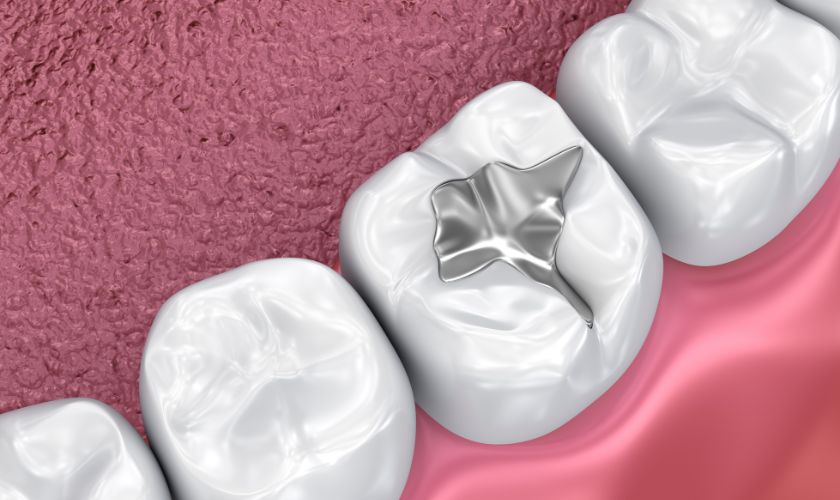
Amalgam fillings have been a traditional choice for many decades. They are composed of a mixture of metals, including silver, tin, copper, and mercury. Amalgam fillings are known for their durability, strength, and cost-effectiveness. However, they have raised concerns due to the mercury content.
Pros:
- Cost-effective
- Long-lasting and durable
- Suitable for large cavities in molars
Cons:
- Aesthetic concerns (visible silver color)
- Contains mercury, raising health concerns for some individuals
Composite Resin Fillings
Composite resin fillings are a popular choice for their aesthetic appeal and versatility. These fillings are made from a mixture of plastic and fine glass particles, allowing them to match the natural color of the teeth closely. Composite fillings are suitable for small to mid-sized cavities.
Pros:
- Aesthetic appeal (color-matched to natural teeth)
- Versatile and suitable for various tooth areas
- Bonds directly to the tooth, providing additional support
Cons:
- Less durable than amalgam fillings, may require replacement over time
- Slightly more expensive than amalgam
Porcelain Fillings (Inlays and Onlays)
Porcelain fillings, also known as inlays and onlays, are crafted in a dental laboratory and then bonded to the tooth. They are an excellent choice for restoring larger cavities or damaged teeth. Porcelain fillings are known for their strength, durability, and natural appearance.
Pros:
- High aesthetic appeal, closely resembling natural teeth
- Durable and resistant to staining
- Custom-made for a precise fit
Cons:
- More expensive than amalgam and composite fillings
- Requires multiple dental visits for placement
Gold Fillings
Gold fillings, or gold inlays, have been used in dentistry for a long time. While less common today, they offer unique advantages. Gold is a highly durable and long-lasting material, making it suitable for areas with heavy chewing forces.
Pros:
- Exceptional durability and longevity
- Biocompatible and well-tolerated by gum tissues
- Minimal tooth removal during placement
Cons:
- High cost
- Aesthetic concerns due to the visible gold color
Glass Ionomer Fillings
Glass ionomer fillings are made from a blend of glass and acrylic. They are commonly used for small fillings in areas with less stress, such as in children or for cavities near the gumline.
Pros:
- Releases fluoride, contributing to cavity prevention
- Bonds directly to the tooth, providing added support
- Suitable for non-load-bearing areas
Cons:
- Less durable than amalgam or composite fillings
- More prone to wear and fracture
Factors to Consider When Choosing a Filling Material
-
Location and Size of the Cavity
- Amalgam and composite fillings are versatile and can be used for various cavity sizes.
- Porcelain fillings are ideal for larger cavities.
- Glass ionomer fillings are suitable for small, non-load-bearing areas.
-
Aesthetic Preferences
- Composite and porcelain fillings offer a natural appearance, making them ideal for visible teeth.
- Amalgam and gold fillings may be less desirable due to their visibility.
-
Durability and Longevity
- Amalgam and gold fillings are known for their durability and long-lasting properties.
- Composite and glass ionomer fillings may require more frequent replacement.
-
Cost Considerations
- Amalgam fillings are generally the most cost-effective.
- Composite and porcelain fillings are more expensive, with porcelain being the priciest option.
-
Biocompatibility
- Individuals with concerns about mercury may prefer composite, porcelain, or gold fillings.
Final Advice
Choosing the right dental filling material is a decision that should be made in collaboration with your dentist. Each filling material has its own set of advantages and considerations, and the choice depends on factors such as the size and location of the cavity, aesthetic preferences, durability requirements, and budget constraints.
Ultimately, prioritizing oral health and discussing your concerns with your dentist will lead to a well-informed decision. Regular dental check-ups and maintaining good oral hygiene practices are essential for preventing cavities and ensuring the longevity of any dental fillings.