Request an Appointment
 Download Patient Forms
 Patient Login
 Get Directions to Our Office
 Sleep Rehab
Demystifying Root Canal Treatment: Understanding the Procedure and Benefits
February 19, 2024
Root canal treatment often carries a sense of dread for many people. The mere mention of it can evoke images of pain and discomfort. However, this dental procedure is crucial for saving severely infected or damaged teeth. In this blog, we’ll delve into the intricacies of root canal treatment, debunk common myths, and shed light on its importance and benefits.
Root canal treatment, also known as endodontic therapy, is a dental procedure performed to treat infection or damage within the pulp of a tooth. The pulp, located in the center of the tooth, contains nerves, blood vessels, and connective tissue. When it becomes infected or inflamed due to deep decay, cracks, or trauma, it can lead to severe pain and abscess formation if left untreated.
Understanding the RCT Procedure
- Assessment and Diagnosis: The dentist begins by examining the tooth and taking X-rays to assess the extent of damage and determine if root canal treatment is necessary.
- Anesthesia: Local anesthesia is administered to numb the area around the affected tooth, ensuring the patient’s comfort throughout the procedure.
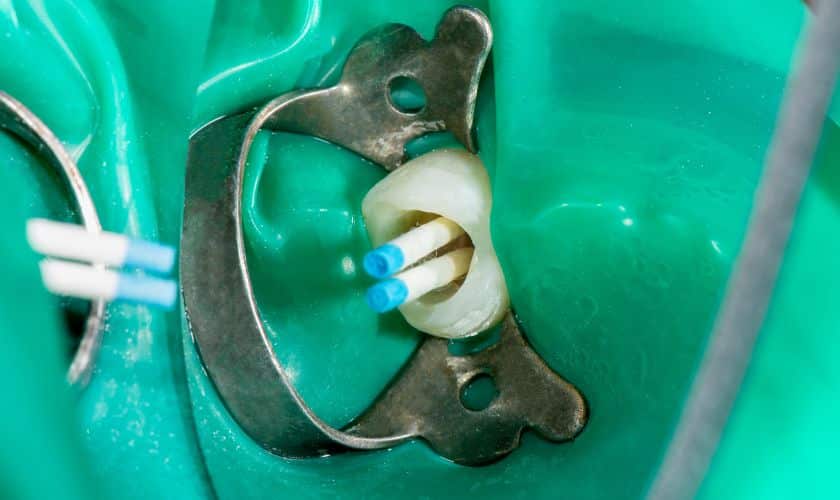
- Isolation: A rubber dam is placed around the tooth to keep it dry and free from saliva during the procedure.
- Access: The dentist creates an opening in the crown of the tooth to access the pulp chamber and root canals.
- Cleaning and Shaping: Special instruments are used to remove the infected or damaged pulp tissue from the canals. The canals are then shaped and cleaned to remove any debris and bacteria.
- Disinfection: The canals are irrigated with antibacterial solutions to disinfect them thoroughly and eliminate any remaining bacteria.
- Filling: Once the canals are cleaned and shaped, they are filled with a biocompatible material called gutta-percha to seal them and prevent re-infection.
- Restoration: Depending on the extent of the damage, a filling or crown may be placed on the tooth to restore its structure and function.
Root Canal Myths vs. Facts
- Myth: Root canal treatment is extremely painful.
- Fact: With modern techniques and anesthesia, root canal treatment is no more painful than getting a routine filling.
- Myth: It’s better to extract the tooth than undergo root canal treatment.
- Fact: Saving your natural tooth through root canal treatment is usually the best option for preserving your oral health and maintaining proper chewing function.
- Myth: Root canal-treated teeth are more prone to breaking.
- Fact: With proper restoration (usually a crown), a tooth that has undergone root canal treatment can function normally for many years.
- Myth: Root canal treatment causes illness or systemic health problems.
- Fact: There is no scientific evidence to support this claim. Root canal treatment is a safe and effective procedure.
Benefits of Root Canal Treatment
- Pain Relief: Root canal treatment alleviates the severe pain caused by infected or inflamed pulp, providing much-needed relief to patients.
- Preservation of Natural Tooth: By saving the natural tooth, root canal treatment helps maintain proper alignment of adjacent teeth and prevents the need for more extensive dental work, such as bridges or implants.
- Improved Oral Health: Removing the infection and sealing the tooth helps prevent the spread of bacteria to surrounding tissues, reducing the risk of abscesses and gum disease.
- Efficient Chewing Function: Restoring the tooth’s structure allows for normal chewing and biting function, enhancing overall oral health and digestion.
- Cosmetic Benefits: Root canal-treated teeth can be restored to their natural appearance with dental crowns or fillings, improving the aesthetics of the smile.
Conclusion
Root canal treatment is a valuable dental procedure that saves millions of teeth each year, relieving pain and restoring oral health. By understanding the process and debunking common myths, patients can approach root canal treatment with confidence, knowing that it is a safe and effective solution for preserving their natural teeth. If you’re experiencing severe tooth pain or suspect you may need root canal treatment, don’t hesitate to consult with your dentist to explore your options and ensure the health and longevity of your smile.