Request an Appointment
 Download Patient Forms
 Patient Login
 Get Directions to Our Office
 Sleep Rehab
Root Canal Therapy vs. Tooth Extraction: Which Is the Better Option?
October 11, 2024
When faced with a severely damaged or infected tooth, your dentist might present you with two options: root canal therapy or tooth extraction. Both procedures aim to relieve pain and prevent further oral health issues, but they differ greatly in terms of method, outcomes, and long-term effects on your dental health. So, which one should you choose? Let’s break down both treatments to help you make an informed decision.
What Is Root Canal Therapy?
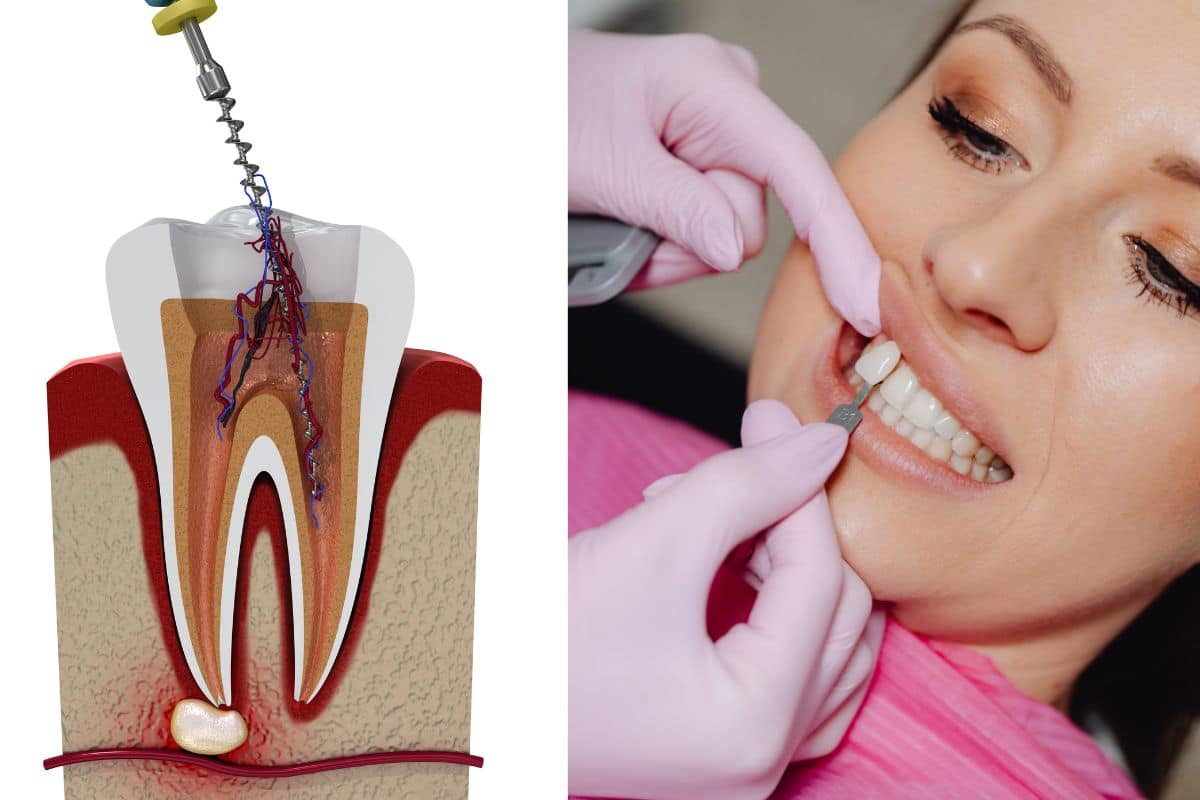
Root canal therapy is a dental procedure designed to save a tooth that has been infected or damaged deep within its pulp. The pulp is the soft tissue inside the tooth that contains nerves, blood vessels, and connective tissue. If this pulp becomes infected due to deep decay, cracks, or trauma, it can lead to intense pain and the potential spread of infection.
During root canal therapy, the dentist removes the infected or dead pulp from the tooth, cleans and disinfects the inside, and then fills and seals the space. Finally, a crown is typically placed on the treated tooth to restore its full function and appearance.
Root canal treatment is often misunderstood as a painful procedure, but thanks to modern techniques and anesthesia, it’s relatively painless and is designed to relieve pain rather than cause it.
What Is Tooth Extraction?
Tooth extraction, as the name suggests, involves the complete removal of a tooth from the mouth. Dentists usually recommend extraction when a tooth is so severely damaged or decayed that it cannot be saved. Extractions are also common for impacted wisdom teeth, overcrowding, or to prepare for orthodontic treatments.
There are two types of extractions: simple and surgical. A simple extraction is performed on a visible tooth and is typically quick, while surgical extraction is more complex, often involving the removal of a tooth that has not fully erupted or is broken.
Comparing Root Canal Therapy and Tooth Extraction
Now that you have a basic understanding of both procedures, let’s compare root canal therapy and tooth extraction based on several important factors:
1. Pain and Recovery
Root Canal Therapy: Contrary to popular belief, root canal therapy is not inherently painful. In fact, it is done to relieve the intense pain caused by infected pulp. Modern anesthesia makes the procedure comfortable, and recovery time is typically short, with minor discomfort managed with over-the-counter pain relief.
Tooth Extraction: Depending on the complexity, tooth extraction can involve more post-operative discomfort. The recovery period may include swelling, soreness, and a higher risk of complications like dry socket (especially with wisdom tooth extractions). Recovery times can be longer compared to a root canal.
2. Preservation of Natural Tooth
Root Canal Therapy: One of the biggest advantages of a root canal is that it saves your natural tooth. Keeping your natural tooth helps maintain proper chewing function, alignment of teeth, and overall jawbone structure. It also preserves your smile without the need for artificial replacements.
Tooth Extraction: After an extraction, the missing tooth can cause adjacent teeth to shift, leading to potential bite issues. Over time, the absence of a tooth can also result in jawbone loss. To restore normal function and appearance, you may need a dental implant, bridge, or denture, which can be more costly and time-consuming than a root canal.
3. Long-Term Oral Health
Root Canal Therapy: By preserving the natural tooth, root canal therapy supports the long-term health of your mouth. It prevents tooth shifting, jawbone loss, and further complications that may arise from missing teeth.
Tooth Extraction: While tooth extraction resolves the immediate issue, it can lead to long-term dental health problems, such as shifting teeth and bone loss. Replacing the missing tooth is crucial to avoid these issues, but the replacement options (like implants) come with their own set of considerations, including cost and maintenance.
Which Is the Better Option?
The decision between root canal therapy and tooth extraction depends on several factors, including the condition of your tooth, your overall health, and your preferences. In general, root canal treatment is often the better option when it is possible to save the tooth. It preserves your natural tooth structure, ensures better long-term oral health, and avoids the complications associated with missing teeth.
Tooth extraction may be necessary when a tooth is severely damaged or infected. In such cases, discussing replacement options like dental implants with your dentist is essential to maintain your dental health.
Conclusion
When deciding between root canal therapy and tooth extraction, prioritize long-term dental health. Root canal treatment saves your natural tooth, while extraction may be necessary for severe damage. Consult your dentist to determine the best option for your oral health.