Request an Appointment
 Download Patient Forms
 Patient Login
 Get Directions to Our Office
 Sleep Rehab
Foods & Drinks to Avoid If You Have Painful Mouth Ulcers
January 19, 2026
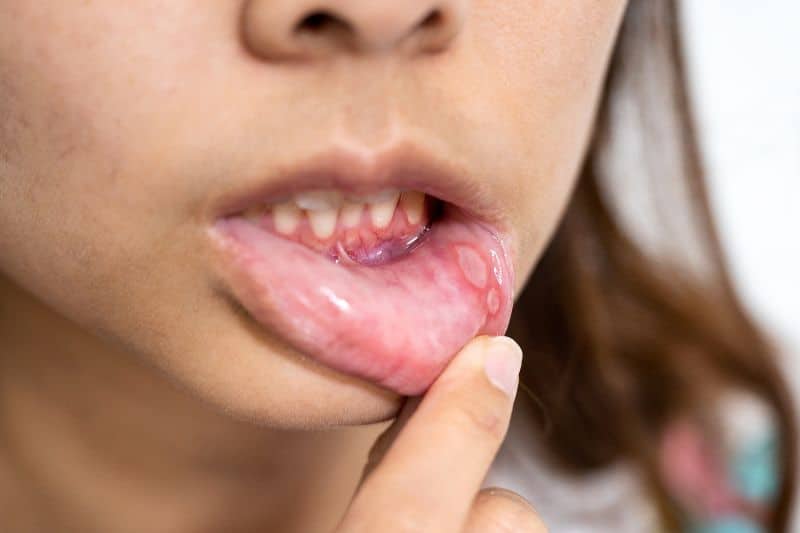
Mouth ulcers can make simple daily activities, such as eating and drinking, uncomfortable. These small sores may look harmless, but the wrong food choices can make them sting, slow healing, and even linger longer than expected. The good news is that being mindful of what you eat and drink can help reduce irritation and support recovery.
If mouth ulcers keep coming back or feel unusually painful, a professional dentist can help identify possible triggers and rule out underlying oral health concerns. Until then, understanding which foods and drinks to avoid can make a noticeable difference in your comfort.
Why Certain Foods Make Mouth Ulcers Worse?
Mouth ulcers create sensitive, open areas inside the mouth. When exposed to strong flavors, rough textures, or extreme temperatures, these areas can become more inflamed. Some foods may also interfere with the natural healing process, prolonging ulcers or making them feel more painful than they should.
Spicy Foods Can Increase Irritation
Spicy foods are one of the most common triggers for mouth ulcer pain. Ingredients like chili peppers and hot sauces can irritate the already sensitive tissue, leading to a burning sensation that lingers even after eating.
If you notice increased pain after spicy meals, it’s best to avoid them until the ulcers heal completely.
Acidic Foods and Fruits to Limit
Acidic foods can be harsh on mouth ulcers and may slow healing. Citrus fruits and acidic ingredients can cause a sharp stinging feeling when they come into contact with open sores.
Common examples include:
- Oranges, lemons, and grapefruits
- Tomatoes and tomato-based sauces
- Vinegar-heavy foods
Temporarily reducing these can help minimize discomfort.
Crunchy and Hard Foods That Can Reopen Sores
Foods with rough or hard textures can scrape against ulcers, reopening them or worsening them. Even if they don’t cause immediate pain, repeated friction can delay healing.
You may want to avoid:
- Chips and crackers
- Toast and crusty bread
- Nuts and hard snacks
Choosing softer options can give your mouth a chance to heal.
Salty Foods May Cause Stinging
Salt draws moisture from tissues, which can cause a sharp, stinging sensation when it comes into contact with an ulcer. Highly salted or processed foods can make sores feel more irritated and uncomfortable.
Cutting back on salty snacks can help keep irritation under control.
Hot Beverages Can Increase Sensitivity
Very hot drinks can aggravate mouth ulcers by increasing blood flow and sensitivity in the affected area. Coffee, tea, and hot soups may feel soothing at first, but can make pain worse afterward.
Letting drinks cool slightly before consuming them can help reduce discomfort.
Alcoholic and Carbonated Drinks to Avoid
Alcohol can dry out the mouth and slow down the healing process. Carbonated drinks may also cause irritation due to their fizz and acidity.
Avoiding these drinks while ulcers are present can support faster healing and reduce pain.
When to Get Help for Mouth Ulcers?
Most mouth ulcers heal on their own within one to two weeks. However, if ulcers are frequent, unusually large, or extremely painful, it may be time to seek professional advice.
Contact us if mouth ulcers keep interfering with your daily life or aren’t healing as expected. Getting guidance early can prevent unnecessary discomfort.
Relieve Mouth Ulcer Discomfort with the Right Care – Rowlett Dental Associate
Managing mouth ulcers often starts with small changes, including avoiding foods and drinks that irritate sensitive tissue. Paying attention to what you eat during a flare-up can help reduce pain and support healing.
If ulcers persist or you’re concerned about recurring oral discomfort, and if you are looking for a dentist near you in Rowlett, visit our dental office for personalized guidance and care. Our team is here to help you understand your oral health and take the right next steps. Request an appointment and get the support you need for a healthier, more comfortable smile.