Request an Appointment
 Download Patient Forms
 Patient Login
 Get Directions to Our Office
 Sleep Rehab
How to Manage Tooth Sensitivity with Ice Cream?
May 15, 2026
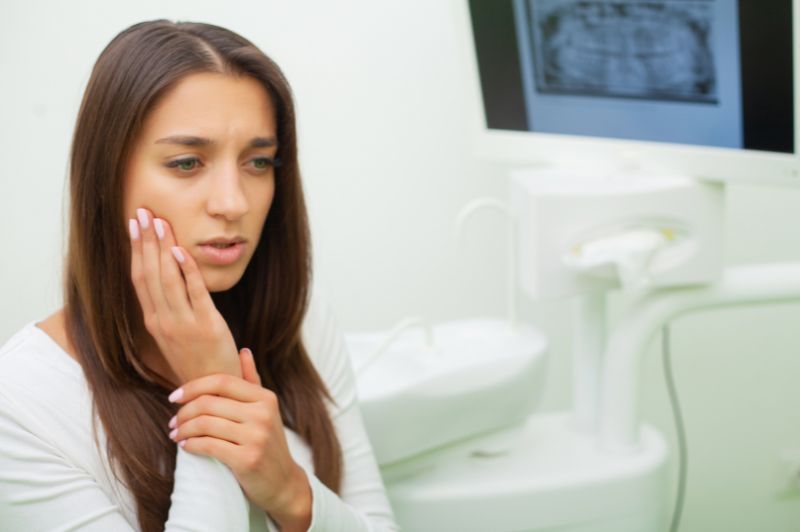
Enjoying a bowl of ice cream should feel refreshing, not painful. But for many people, that sudden, sharp feeling in their teeth can quickly ruin the moment. Tooth sensitivity is a common issue that can make cold foods uncomfortable and sometimes even difficult to enjoy.
Good dental care habits can play a major role in reducing tooth sensitivity and protecting your teeth from further discomfort. Understanding why sensitivity happens and learning how to manage it can help you feel more comfortable during everyday activities, including enjoying your favorite frozen treats.
Let’s take a closer look at why ice cream can trigger tooth pain and what you can do about it.
Why Does Ice Cream Cause Tooth Sensitivity?
Tooth sensitivity usually happens when the protective outer layer of the tooth becomes worn down or when the gums pull away from the teeth. This exposes the softer layer underneath, which contains tiny pathways leading to the nerves inside the tooth.
Cold foods like ice cream can reach those nerves quickly, causing sudden discomfort or pain.
Common Causes of Tooth Sensitivity
Worn Enamel
Brushing too hard, grinding your teeth, or eating acidic foods can slowly wear away enamel over time.
Gum Recession
When gums recede, the roots of the teeth become exposed. Since roots are not protected by enamel, they are more sensitive to temperature changes.
Tooth Decay or Cracks
Cavities and small cracks can create openings that allow cold sensations to reach the nerves more easily.
Teeth Whitening Products
Some whitening products may temporarily increase sensitivity, especially if used too often.
Simple Ways to Manage Sensitivity While Eating Ice Cream
Eat Slowly Instead of Taking Big Bites
Taking smaller bites and letting the ice cream warm slightly before eating can reduce the shock to sensitive teeth.
Use a Toothpaste for Sensitive Teeth
Special toothpaste designed for sensitivity can help block pain signals over time when used consistently.
Avoid Brushing Too Hard
Using a soft-bristled toothbrush and a gentle brushing technique can help protect enamel and prevent gum irritation.
Limit Acidic Foods and Drinks
Acidic foods and beverages can weaken enamel, making sensitivity worse over time.
Stay Consistent with Oral Hygiene
Daily brushing, flossing, and routine cleanings help support healthier teeth and gums.
When Sensitivity Could Mean Something More
Occasional sensitivity may not always be serious, but ongoing discomfort should not be ignored. Persistent pain when eating cold foods may point to issues like cavities, worn fillings, gum problems, or cracked teeth.
If the discomfort keeps returning, it’s important to have it checked before the problem becomes more difficult to treat.
Small Habits That Can Help Prevent Future Sensitivity
Simple daily habits can make a difference over time:
- Drink water after acidic foods
- Avoid chewing ice
- Wear a nightguard if you grind your teeth
- Replace worn toothbrushes regularly
- Keep up with regular dental visits
These small steps can help protect your enamel and reduce future discomfort.
Taking Care of Sensitive Teeth Starts with Consistency
Managing tooth sensitivity is often about paying attention to the little things. Gentle brushing, healthy eating habits, and regular oral care routines can all help reduce discomfort and protect your smile long-term.
If you’ve noticed increasing sensitivity while eating cold foods, contact us to learn more about possible causes and ways to improve your comfort.
Enjoy Your Favorite Treats Comfortably Again
Tooth sensitivity can make simple pleasures like ice cream frustrating, but the right care and healthy habits can make a real difference. At Rowlett Dental Associates, we’re committed to helping patients protect their smiles and feel more comfortable in their daily lives. If you’re looking for guidance from a trusted dentist in Rowlett who can help you manage tooth sensitivity and improve your overall oral health, visit our dental office for personalized support and care.