Request an Appointment
 Download Patient Forms
 Patient Login
 Get Directions to Our Office
 Sleep Rehab
Exploring the Connection Between Dental Implants and Long-Term Oral Health
March 23, 2026
Losing a tooth can feel like more than just a small change in your smile. It can affect how you eat, how clearly you speak, and even how confident you feel in everyday situations. Many people begin looking into missing tooth replacement options soon after, hoping to restore both function and appearance.
While there are several ways to replace a missing tooth, dental implants are often recommended for their long-term benefits. But what makes them such a reliable option? More importantly, how do they support your oral health over time? Let’s take a closer look.
Why Replacing a Missing Tooth Matters More Than You Think?
When a tooth is lost and not replaced, the effects go beyond the visible gap. Over time, the jawbone in that area can begin to shrink because it no longer receives stimulation from a tooth root. This process, known as bone loss, can change the shape of your face and weaken your overall oral structure.
At the same time, nearby teeth may begin to shift into the empty space. This can lead to alignment issues, an uneven bite, and difficulty cleaning between teeth. What starts as a single missing tooth can eventually impact your entire smile and oral health.
What Are Dental Implants? A Simple Explanation
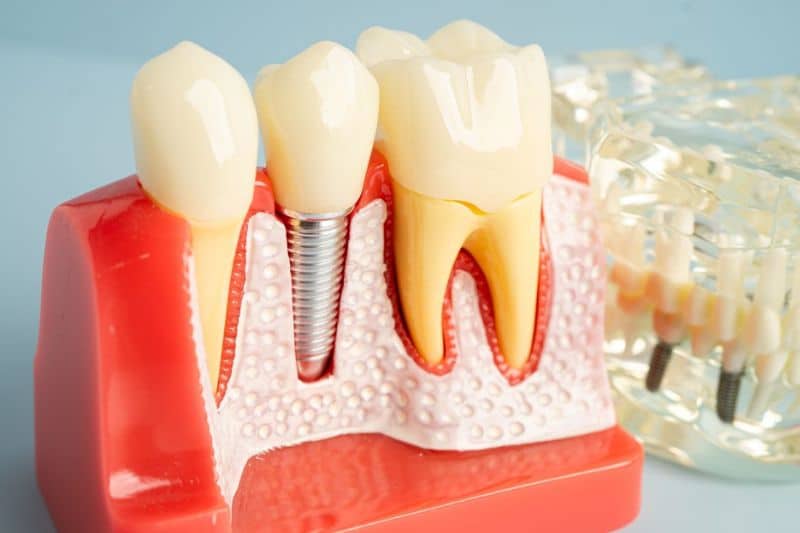
Dental implants are designed to replace missing teeth in a way that closely mimics natural teeth. They consist of three main parts:
- A small post is placed into the jawbone
- A connector piece that holds the replacement tooth
- A custom-made crown that looks and functions like a real tooth
Once placed, the implant becomes part of your jaw, creating a stable and secure foundation for everyday use.
How Dental Implants Support Long-Term Oral Health?
Preventing Bone Loss
One of the biggest advantages of dental implants is their ability to support the jawbone. The implant post acts like a natural tooth root, stimulating the bone and helping prevent the shrinkage that often occurs after tooth loss.
Maintaining Natural Tooth Alignment
Because implants fill the gap left by a missing tooth, they help keep surrounding teeth in their proper position. This reduces the risk of shifting and helps maintain a balanced bite.
Restoring Proper Chewing Function
Dental implants allow you to eat comfortably and confidently. Unlike some other options, they provide the stability needed to enjoy a wide variety of foods without discomfort.
Protecting Your Overall Oral Structure
By preserving bone and supporting surrounding teeth, implants help maintain the natural shape of your face. This can prevent the sunken appearance that sometimes develops over time with missing teeth.
Comparing Dental Implants to Other Tooth Replacement Options
While dentures and dental bridges are common solutions, they function differently from implants.
- Dentures sit on top of the gums and may shift while eating or speaking
- Bridges rely on neighboring teeth for support, which may require altering healthy teeth
Dental implants, on the other hand, are placed directly into the jawbone, making them more stable and long-lasting. They also work independently, without affecting surrounding teeth.
Who Can Benefit from Dental Implants?
Dental implants are a good option for many adults who have lost one or more teeth. Ideal candidates generally have healthy gums and enough bone to support the implant.
However, every smile is different. A dental evaluation is the best way to determine if implants are the right choice for your specific needs.
What to Expect During the Dental Implant Process?
The dental implant process happens in stages and is carefully planned for each patient:
- A consultation to evaluate your oral health
- Placement of the implant post into the jawbone
- A healing period to allow the implant to integrate with the bone
- Placement of the final crown
While the process takes time, the result is a strong and natural-looking tooth replacement.
Caring for Dental Implants for Lasting Results
Taking care of dental implants is similar to caring for natural teeth. Daily brushing and flossing, along with regular dental checkups, can help keep your implants in excellent condition for years to come.
With proper care, dental implants can provide long-lasting results and continue to support your oral health.
When to Consider Dental Implants?
You may want to explore dental implants if:
- You have a missing tooth affecting your daily routine
- You feel discomfort with dentures or bridges
- You are looking for a more stable, long-term solution
If you’re unsure which option is right for you, contact us to learn more about your choices and what may work best for your smile.
Restore Your Smile and Support Your Oral Health in Rowlett, TX
Replacing a missing tooth is about more than improving your appearance—it’s about protecting your long-term oral health. Dental implants offer a reliable way to restore function, maintain bone health, and keep your smile aligned for years to come.
If you’ve been considering replacing a missing tooth, exploring options like dental implants in Rowlett can help you find a solution that fits your needs. At Rowlett Dental Associates, we are here to help you take the next step toward a healthier smile.
Visit our dental office to learn more about how dental implants can support your long-term oral health and restore your confidence.