Request an Appointment
 Download Patient Forms
 Patient Login
 Get Directions to Our Office
 Sleep Rehab
Different Types of Dental Fillings Available
June 06, 2024
Hello, and welcome to our new oral health blog! I’m Dr. Fedosky, a dedicated dentist practicing in Rowlett, TX, and today I want to discuss a topic that affects many of my patients—dental fillings.
Fillings are a common dental procedure used to restore the function, integrity, and morphology of missing tooth structure. There are various types of dental fillings available, each with its unique advantages and applications. Understanding these options can help you make an informed decision about your dental health.
Why Are Dental Fillings Needed?
Before diving into the different types of fillings, it’s essential to understand why they are needed. Dental fillings are used to:
- Repair cavities caused by tooth decay
- Fix cracked or broken teeth
- Restore worn-down teeth
- Improve the appearance of discolored teeth
The type of filling recommended can depend on the location and extent of the decay, the patient’s dental history, the dentist’s recommendation, and the patient’s budget.
Types of Dental Fillings
1. Amalgam Fillings
What Are Amalgam Fillings?
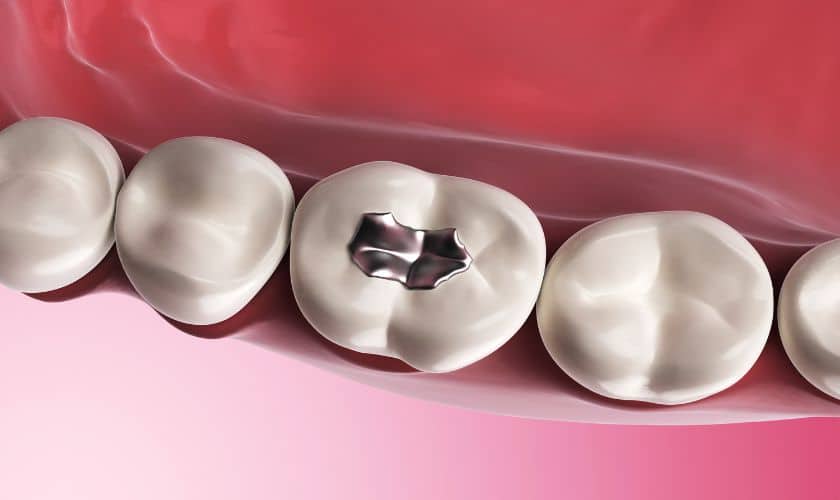
Amalgam fillings, also known as silver fillings, are made from a mixture of metals, including silver, mercury, tin, and copper. They have been used for over a century and are known for their durability and strength.
Advantages of Amalgam Fillings
- Durability: They can last for 10-15 years or more.
- Strength: Ideal for molars where chewing pressure is highest.
- Cost-Effective: Generally less expensive than other types of fillings.
Disadvantages of Amalgam Fillings
- Aesthetics: They are not tooth-colored and are more noticeable.
- Possible Allergies: Some patients may have a sensitivity or allergy to the metals.
- Mercury Content: Concerns about mercury have been raised, although studies indicate that the level of mercury exposure from amalgam fillings is low and within safe limits.
2. Composite Fillings
What Are Composite Fillings?
Composite fillings are made of a resin material that can be matched to the color of your natural teeth. They are widely used for both front and back teeth due to their aesthetic appeal.
Advantages of Composite Fillings
- Aesthetic Appeal: They blend well with the natural tooth color.
- Versatility: Can be used for various dental repairs, including cracks and chips.
- Bonding: They bond directly to the tooth structure, providing additional support.
Disadvantages of Composite Fillings
- Durability: Not as durable as amalgam fillings, typically lasting 5-7 years.
- Cost: Generally more expensive than amalgam fillings.
- Time-Consuming: The procedure takes longer because the composite material is applied in layers and cured with a special light.
3. Ceramic Fillings
What Are Ceramic Fillings?
Ceramic fillings, often made from porcelain, are another tooth-colored option. They are crafted in a dental lab and then bonded to the tooth.
Advantages of Ceramic Fillings
- Aesthetic Appeal: They closely resemble natural teeth.
- Durability: More resistant to staining and abrasion than composite fillings.
- Biocompatibility: No risk of allergic reactions as they are metal-free.
Disadvantages of Ceramic Fillings
- Cost: More expensive than both amalgam and composite fillings.
- Fragility: While strong, they can be brittle and may require more tooth removal for placement.
4. Gold Fillings
What Are Gold Fillings?
Gold fillings, also known as inlays or onlays, are made from a gold alloy. They are custom-made in a dental laboratory and then cemented into place.
Advantages of Gold Fillings
- Durability: Can last 20 years or more with proper care.
- Strength: Withstand chewing forces well.
- Biocompatibility: Non-corrosive and well-tolerated by gum tissues.
Disadvantages of Gold Fillings
- Cost: One of the most expensive filling options.
- Aesthetic Appeal: Not tooth-colored, making them more noticeable.
- Two Visits Required: At least two dental visits are needed for placement.
5. Glass Ionomer Fillings
What Are Glass Ionomer Fillings?
Glass ionomer fillings are made from a mixture of glass and acrylic. They release fluoride, which can help protect the tooth from further decay.
Advantages of Glass Ionomer Fillings
- Fluoride Release: Helps to prevent further decay.
- Biocompatibility: Suitable for children and patients with a high risk of decay.
- Cost: Generally less expensive than composite and ceramic fillings.
Disadvantages of Glass Ionomer Fillings
- Durability: Less durable than other filling materials, typically lasting less than 5 years.
- Aesthetic Appeal: Not as tooth-colored as composite or ceramic fillings.
- Wear Resistance: More prone to wear and fractures.
Choosing the Right Filling for You
When it comes to choosing the right type of dental filling, several factors need to be considered:
- Location of the Filling: For example, amalgam fillings are suitable for back teeth, while composite fillings are ideal for visible teeth.
- Extent of Decay: The severity of decay can determine the best material to use.
- Budget: Costs can vary significantly between different types of fillings.
- Aesthetic Concerns: Some patients prefer fillings that blend seamlessly with their natural teeth.
- Allergies and Sensitivities: Any known allergies to materials used in fillings should be considered.
Conclusion
At our dental practice in Rowlett, TX, we strive to provide the best care and ensure our patients are well-informed about their options. Dental fillings play a crucial role in maintaining oral health, and understanding the different types available can help you make the best decision for your dental needs.
If you have any questions or need further information about dental fillings, please don’t hesitate to contact us. Your oral health is our priority, and we’re here to help you achieve and maintain a healthy, beautiful smile.