Request an Appointment
 Download Patient Forms
 Patient Login
 Get Directions to Our Office
 Sleep Rehab
Navigating the Reasons for Root Canal Procedures
January 05, 2024
Welcome to our dental corner in Rowlett, where we’re always on a mission to keep your pearly whites in tip-top shape. Today, let’s dive into a topic that might send shivers down some spines but is crucial for maintaining a healthy, happy smile – root canal procedures.
Now, before you start envisioning a dental horror story, let’s demystify the process and explore the reasons why you might find yourself in the chair for a root canal.
The Concept Of Root Canal
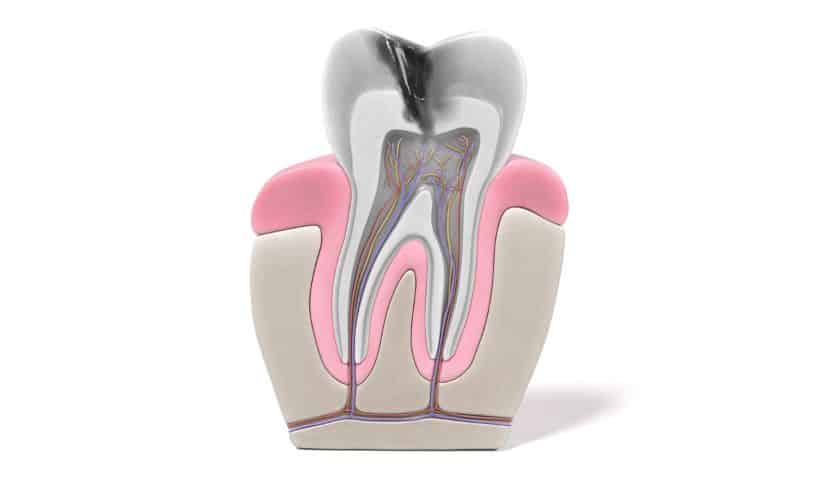
First things first, what exactly is a root canal? It’s not as ominous as it sounds, I promise! A root canal is a dental procedure designed to treat an infection or damage deep within the tooth. Inside each tooth, there’s a soft tissue called the pulp, housing nerves, blood vessels, and connective tissues. When this pulp becomes inflamed or infected, it’s time for a root canal.
The Culprits Behind Root Canal Necessity
- Untreated Cavities: One of the primary reasons for a root canal is the progression of untreated cavities. When a cavity gets past the enamel and dentin layers, reaching the pulp, it can cause serious trouble. The bacteria make themselves at home, leading to infection and inflammation, and that’s when a root canal becomes necessary.
- Cracks or Trauma: Accidents happen, and sometimes teeth bear the brunt of it. Whether it’s a sports injury, a fall, or biting into something unexpectedly hard, a tooth can crack. These cracks create pathways for bacteria to sneak into the pulp, causing infection. In such cases, a root canal is the superhero that can save the day (or your tooth).
- Repeated Dental Procedures: If you’ve had multiple dental procedures on the same tooth, it might become susceptible to inflammation. Repeated dental work can irritate the pulp, leading to the need for a root canal. It’s like your tooth’s way of saying, “Okay, enough is enough!”
- Genetic Factors: Sometimes, it’s not your fault – blame it on the genes! Some people are more predisposed to dental issues, and if your family has a history of dental problems, you might be at a higher risk of needing a root canal. It’s a genetic lottery we’d all rather avoid, but it’s essential to be aware of.
Recognizing the Telltale Signs
Now that we’ve pinpointed the reasons why a root canal might be on the horizon, let’s talk about the signs that scream, “Hey, it’s time to see your dentist!”
- Persistent Pain: If you’re experiencing prolonged tooth pain, especially when chewing or applying pressure, it could be a sign of trouble. The pain might range from a dull ache to a sharp, intense sensation.
- Swollen Gums: Inflammation is the body’s way of responding to an issue, and your gums are no exception. Swollen, tender gums around a specific tooth might indicate a problem with the pulp.
- Tooth Discoloration: If your tooth has taken on a different color – usually a darkening or graying – it’s a sign that something isn’t quite right. Discoloration often points to issues within the tooth structure.
- Sensitivity to Hot or Cold: Feeling a jolt of pain when sipping on your favorite hot cocoa or enjoying a scoop of ice cream? Increased sensitivity to temperature changes can be a red flag for pulp inflammation.
- Pimple on the Gums: Yes, you read that right. If you notice a pimple-like bump on your gums, especially near a specific tooth, it might be a dental abscess. This is a serious sign that infection has taken hold.
The Root Canal Experience
Now, you might be wondering what actually goes down during a root canal. Let me assure you, it’s not as scary as it sounds! Our goal is to make the process as comfortable as possible for you.
- Diagnosis: First and foremost, we’ll conduct a thorough examination and possibly take X-rays to pinpoint the issue. Once we’ve identified the inflamed or infected pulp, it’s time to get to work.
- Anesthesia: Before anything else, we’ll ensure you’re completely comfortable. Local anesthesia will be administered to numb the area around the affected tooth, so you won’t feel a thing during the procedure.
- Cleaning and Shaping: Next, we’ll create a small access point to reach the pulp. The infected or inflamed tissue is carefully removed, and the inner chambers of the tooth are cleaned and shaped to prepare for the filling.
- Filling the Canal: To seal the tooth and prevent future infections, the cleaned space is filled with a biocompatible material known as gutta-percha. This acts as a stable, long-lasting barrier.
- Restoration: Depending on the extent of the damage, your tooth might need additional support. In most cases, a dental crown is placed over the treated tooth to restore its strength, functionality, and appearance.
Post-Root Canal Care
Congratulations! You’ve made it through the root canal journey. Now, let’s talk about what comes next.
- Manage Discomfort: It’s normal to experience some mild discomfort after the procedure. Over-the-counter pain relievers and prescribed medications, if necessary, can help manage this.
- Practice Good Oral Hygiene: Keep that newly treated tooth in top shape by maintaining excellent oral hygiene. Regular brushing, flossing, and dental check-ups are your allies in preventing future issues.
- Watch for Warning Signs: Pay attention to any unusual symptoms, and don’t hesitate to reach out if something feels off. We’re here to ensure your ongoing dental health.
A root canal might sound like a dental adventure, but it’s a crucial step in saving a compromised tooth and maintaining your beautiful smile. Remember, early detection and addressing issues promptly can often prevent the need for extensive dental procedures.
If you have any concerns or suspect you might need a root canal, don’t be a stranger – schedule an appointment with your friendly dentist in Rowlett. We’re here to make your dental experience as comfortable and stress-free as possible. Here’s to a happy, healthy smile!